
Scholarships
Keep a student in school
Undying Hope pays school costs for students in South Sudan and Kenya who would otherwise be sent home.
What a scholarship covers
Scholarships cover tuition and, as the October 2024 letter describes it, uniforms and other scholastic materials. They reach primary pupils, secondary students, and university scholars. The point is simple: a student stays in class instead of leaving to raise a fee.
Where the students are
In South Sudan, scholarships have reached the University of Juba in Central Equatoria State, the University of Bahr el Ghazal in Western Bahr el Ghazal State; the University of Aweil in Northern Bahr el Ghazal State; and the University of Upper Nile, currently located in Juba. In Kenya, students are also supported, including scholars from South Sudanese and Sudanese refugee backgrounds. In 2027, Undying Hope will provide scholarships to 22 qualified students across six public universities in South Sudan and primary and secondary schools, and to 28 students in Kenya, including those from Sudanese refugee backgrounds: 50 more students in all.
Year by year
In July 2022, after a scholarship campaign, we counted 130 students who received the scholarship that year. In December 2023, 131 students were in school in South Sudan and Kenya. From 2021 through 2026, 161 children have been sponsored, and 80 percent of sponsored students completed university. Over 55 percent of scholarships have gone to girls and scholars with special needs.
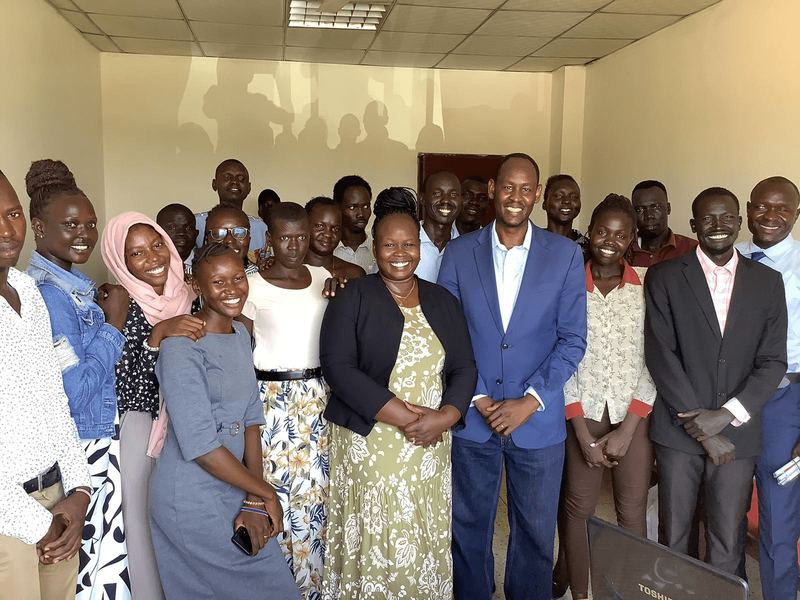
Early in 2024, we had no broad round of new awards because of limited funds. We still supported four medical students in their final year. In May 2025, Theil and his wife Aluel met University of Juba graduates: a doctor, lawyers, an accountant, a biochemist, and an environmentalist. In May 2025, one law graduate finished at the top of his class.
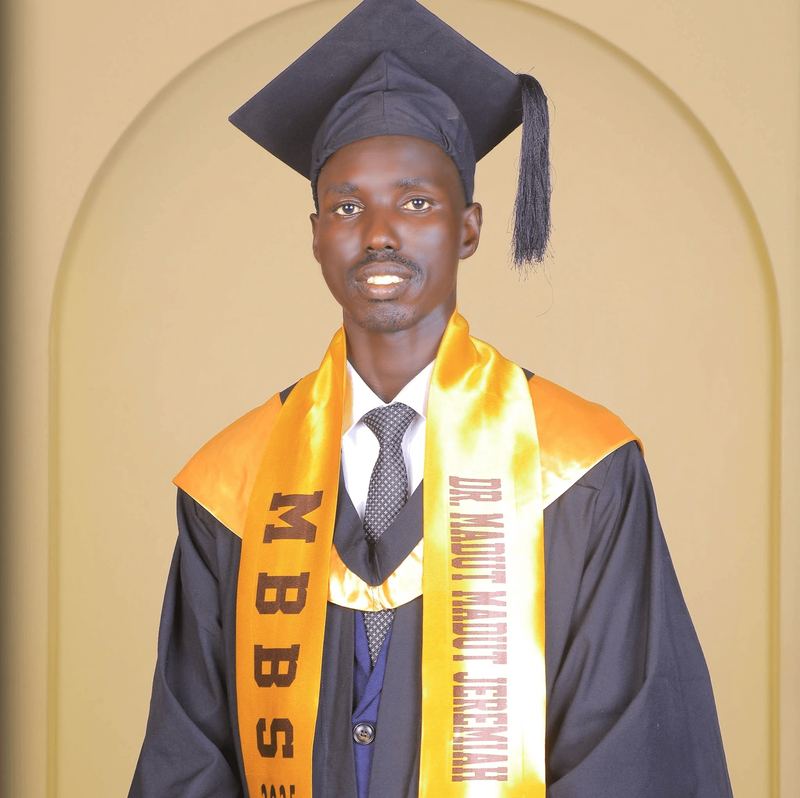
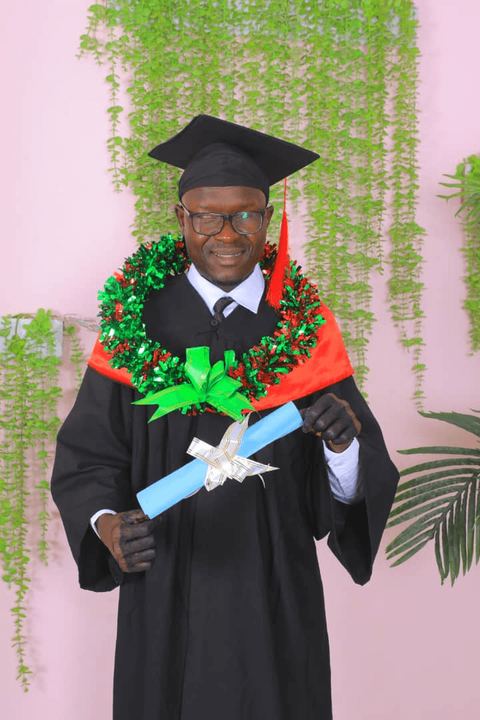
From 2021 through 2026, 24 Undying Hope scholars graduated: 10 from law school, 5 from medical schools, 4 from schools of business, 1 from a school of natural resources, and 2 from a School of Applied and Industrial Science. Two of the 24 are not yet confirmed.
In July 2022, we wrote that scholars are chosen with an eye to fair tribal representation, gender parity, extracurricular activities, and students with special needs.
“One step at a time.”
— Theil T. Theil